Pay in 4 interest-free payments of $6.67 Learn more
Shipping Estimate
USA
- USA
- CAN
- USA
- CAN
Ships within 48 hours · Estimated delivery Aug 12 - Aug 17
Pay in 4 interest-free payments of $6.67 Learn more
Ships within 48 hours · Estimated delivery Aug 12 - Aug 17
Fabrics for Dressing and Tea Gowns: Cotton muslin sheer lawn or voile in todays fabrics Barege a sheer wool nearly extinct today Other lightweight wools with silk trims Cambric a 100% linen or linen/cotton blend Cotton batiste Cotton sateen Printed cottons with dark grounds and large flowers & leaves Satin, velvet and brocade for fancy tea gowns in the 1880s and 1890s Pale pink satin petticoat with dress of ruby plush (velvet) with Watteau pleat (1881) Plush or velvet Silk faille (ribbed silk) or bengaline Wool cashmere Trim Ideas: Flounces either plain or embroidered Lace edgings, collars and flounces, or jabot Cascades of flounces (in lace especially) down the front opening Bows at neck and wrist Draped skirt panniers emphasizing hips Swiss belts or girdles Chiffon draperies Embroidered collars and cuffs For further reference: English Womens Clothing in the Nineteenth Century by C

This style was influenced by Classicism and Elizabeth Vige Le Brun appeared in these types of dresses with a short skirt that reached her ankles when she lived in Russia between 1785 and 1801

Whether youre lounging in the backyard or packing a picnic, this creamy pasta salad is always a hit

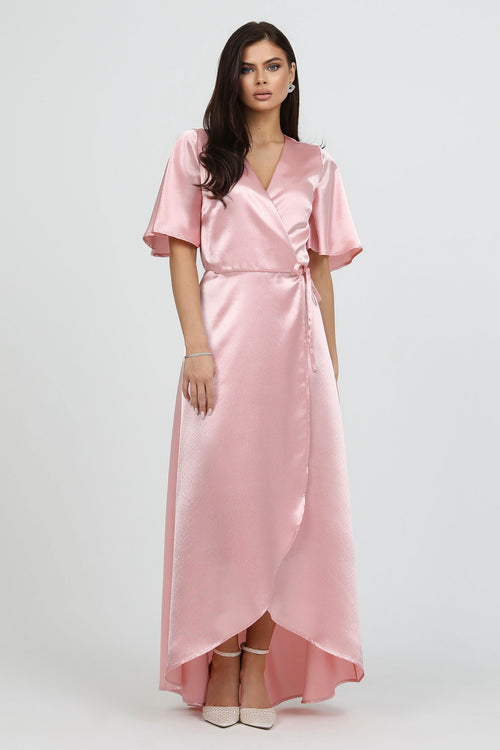
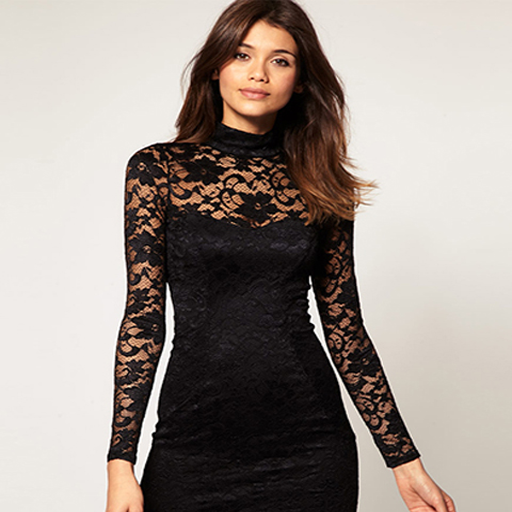
Whether you prefer short sleeves, three-quarter sleeves, or full-length sleeves, select a style that suits your taste